

Forge-flux - Portsmouth
Reading
the economy
clearly
Economic indicators are not abstract statistics. They are signals - and once you know how to read them, they change how you make decisions.
Where Forge-flux started
Forge-flux grew out of a straightforward observation: most people encounter economic language every day - in news, in workplace decisions, in personal finance - but have no structured way to interpret it. The platform was built in 2014 to address that gap directly.
The workshops are not lectures repurposed as online content. Each session is designed around a specific indicator - say, the Consumer Price Index or the Purchasing Managers' Index - and participants work through real datasets, not constructed examples. The goal is to reach the point where you can read a Bank of England release and know what it actually means for your industry or household.
Portsmouth and the surrounding areas have a varied economic base - defence, maritime, retail, education - and that mix shapes the case studies used in every programme. Participants bring genuinely different contexts, which makes the collaborative exercises more useful than anything a single instructor could design alone.
The people who run the workshops
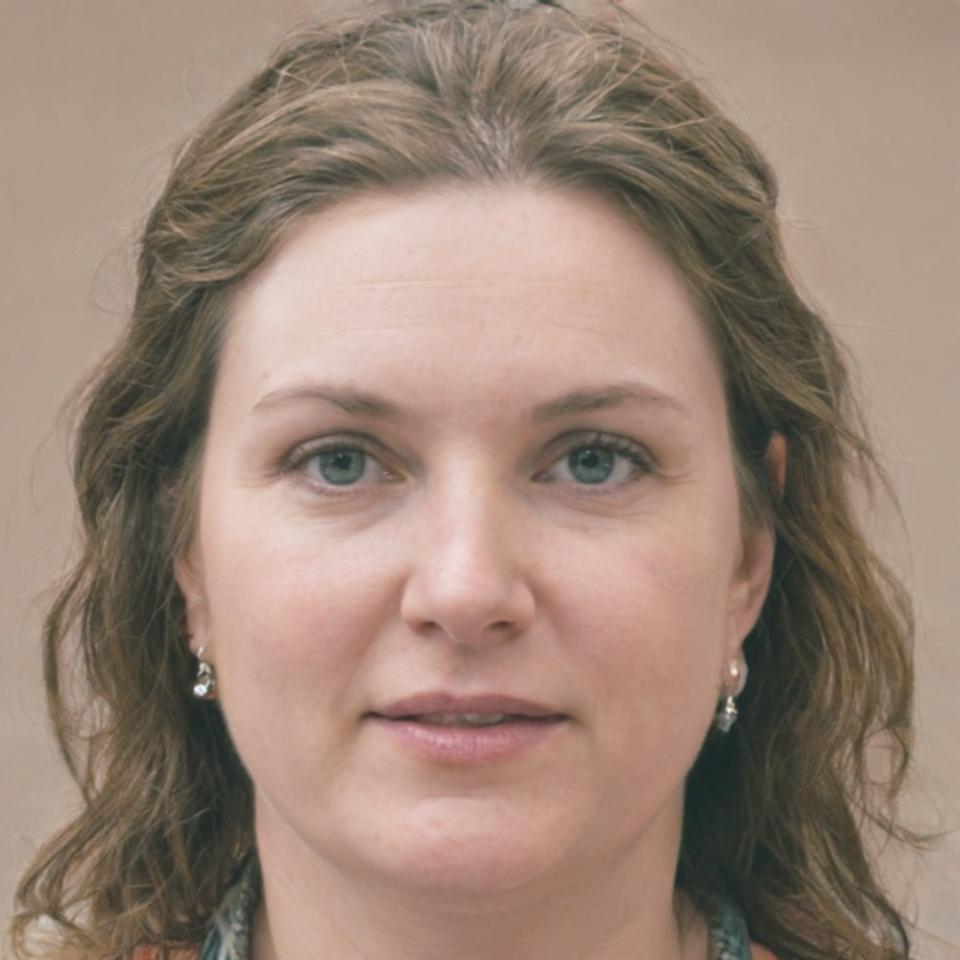
Every session at Forge-flux is led by practitioners - people who have worked with economic data professionally, not just studied it. That distinction matters when a participant asks a question that goes off-script.

Also on the team
What the programme actually covers
The curriculum moves from foundational literacy - what each indicator measures and where the data comes from - through to interpretation under real conditions, including conflicting signals and data revisions.

| Module | Focus area | Format |
|---|---|---|
| 1 | CPI, RPI and inflation mechanics | Live dataset |
| 2 | Interest rate decisions and signals | Case study |
| 3 | GDP components and revisions | Group exercise |
| 4 | Labour market data - claimant count, LFS | Live dataset |
| 5 | PMI and business cycle positioning | Scenario work |
| 6 | Reading conflicting indicators together | Collaborative |
Inside the sessions
Workshops run online, so participants join from across Portsmouth and the wider region without rearranging their day.
 Dataset exercises
 Case study work
 Reference tools